

What if your AI could see, hear, and talk back?
Imagine this — you describe a new product to your AI, and within seconds, it creates a perfect image, writes the tagline, and even generates a voiceover for your ad video. Sounds futuristic?
That future is already here — thanks to Multimodal Generative AI, one of the biggest AI trends of 2025 that’s reshaping how people interact with technology.
While earlier AI tools could only understand text, multimodal AI can process text, images, voice, and even video — all at once. It’s the kind of advancement that’s transforming not just user experience, but also how businesses communicate, market, and build digital products.
Let’s explore how it works, why it matters, and how businesses can ride this new wave of innovation.
What Is Multimodal Generative AI?
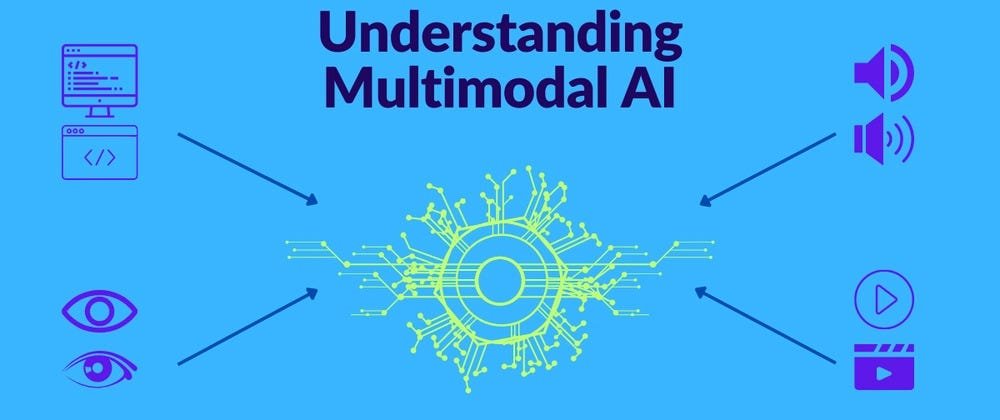
Simply put, multimodal AI is artificial intelligence that can understand and create across multiple input types — such as text, images, audio, and video.
Think of it as giving AI the five human senses: it can read, see, listen, and respond creatively.
For example, you can show an image of a product and ask the AI to write a product description, suggest a marketing caption, and even generate a promotional voice script — all in one flow.
This ability to combine and understand different kinds of data makes multimodal AI far more capable than traditional text-only models. It brings human-like comprehension and creativity to the digital world.
How Multimodal AI Works (Without the Tech Jargon)
Traditional AI models rely on one form of data — text in most cases. Multimodal models, however, combine multiple “modes” of input.
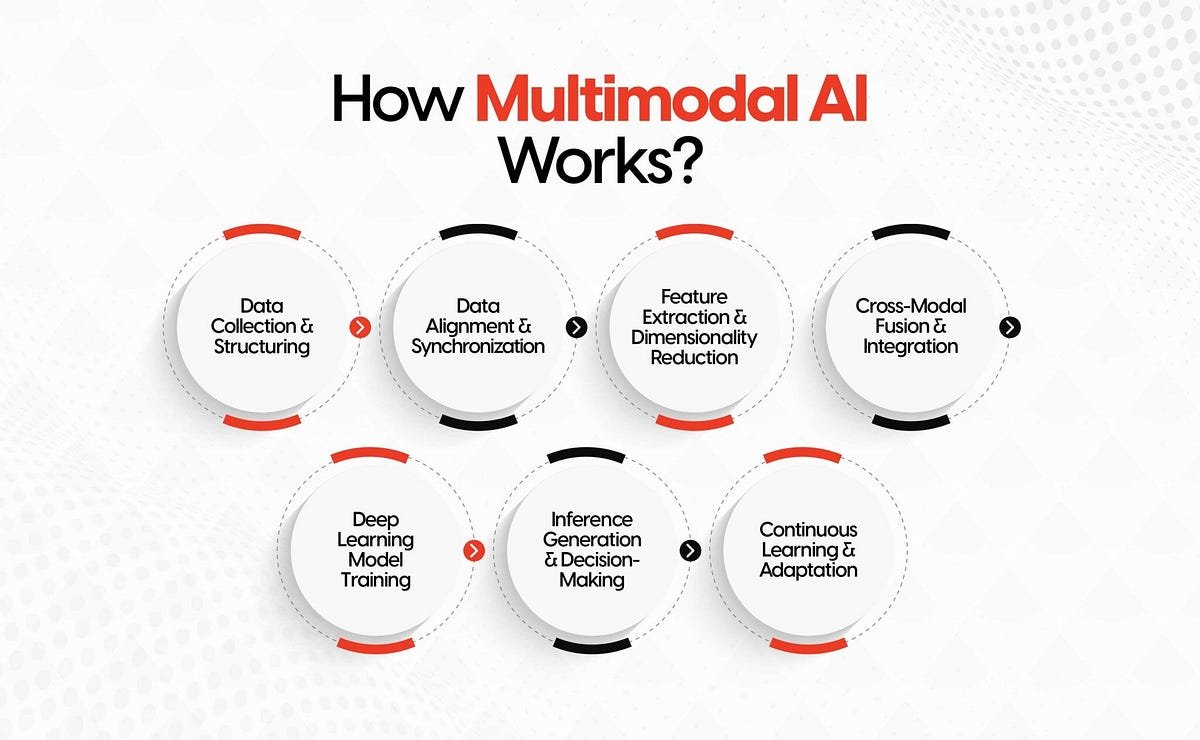
Here’s how it happens behind the scenes (in simple terms):
- Understanding the Inputs: The AI takes in text, images, and audio.
- Mapping the Meanings: It breaks down each input into digital data patterns (called embeddings).
- Combining the Context: These patterns are merged so the AI “understands” the full context — not just the words, but what it sees and hears.
- Generating the Output: Finally, it produces an intelligent response — maybe a caption, design, image, or even spoken content.
So, when you upload a photo of a car and ask, “What ad copy fits this image?” — the AI knows the visual details (the car type, background, color mood) and blends them with the text context to deliver a creative result.
Real-World Uses That Matter to You
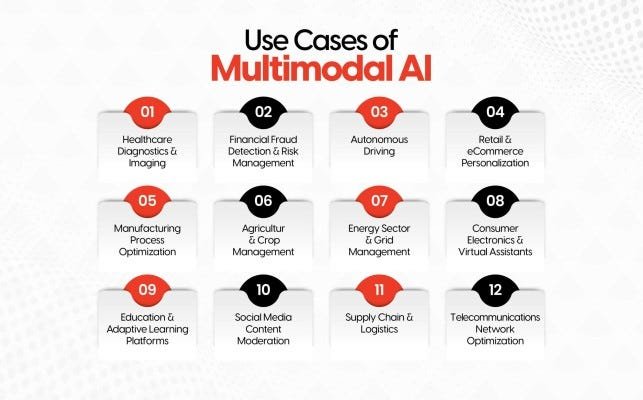
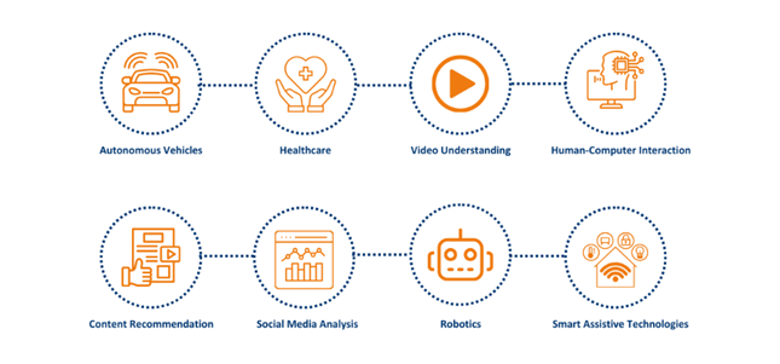
Multimodal AI isn’t just for research labs or developers. It’s already making real differences in daily life and business operations.
For Businesses and Marketers
- Create complete campaigns instantly: From image ideas to captions, ad copy, and voiceovers.
- Personalize content at scale: AI can generate variations for different audiences or regions.
- Social media automation: Brands can design visuals, generate posts, and schedule them through AI-driven tools.
Many digital marketing companies like Techietet are already integrating multimodal AI in campaigns to help businesses build stronger brand engagement, faster content production, and smarter ad strategies.
For Developers and Product Creators
- Use AI that can “see” your app interface and suggest UX improvements.
- Build apps where users can upload an image, describe their needs, and get customized outputs instantly.
- Create AI assistants that combine voice recognition and visual understanding — perfect for education, healthcare, and retail apps.
If you’re planning to build your next AI-powered application, working with a forward-thinking team like Techietet helps you tap into multimodal AI efficiently and responsibly.
For Students and Creators
- Convert handwritten notes into narrated video explainers.
- Generate creative visuals and voiceovers for online content.
- Learn visually with AI tools that explain concepts using diagrams and speech.
Multimodal AI brings creativity and accessibility to learning — perfect for the creator economy that thrives on speed and storytelling.
Top Multimodal AI Tools in 2025
If you’re curious to try these technologies, here are some of the top platforms leading the space:
- OpenAI GPT-5 with Vision & Audio: Combines text, images, and speech understanding.
- Google Gemini 1.5 Pro: Integrates with YouTube, Docs, and other Google tools for interactive AI experiences.
- Runway ML: A favorite among video creators for AI-driven editing and scene generation.
- Midjourney + ChatGPT Combo: Great for producing campaign visuals and written narratives.
- Synthesia + ElevenLabs: Enables realistic AI avatars and natural voice generation for marketing videos.
Each of these tools shows how fast AI is evolving — and how accessible it’s becoming for creators, marketers, and brands.
Why Multimodal AI Matters for Digital Marketing & App Development
Modern users expect experiences that are fast, personal, and emotional — and multimodal AI delivers exactly that.
From understanding tone of voice to analyzing visuals and generating creative assets, it empowers brands to connect with audiences more naturally.
For digital marketing companies, this means:
- More engaging ad creatives.
- AI-powered insights that analyze visual and text performance.
- Smarter audience targeting using voice and image data.
For AI app developers, it unlocks next-generation interfaces — where users can simply speak or show what they want, and the app understands it instantly.
Forward-looking teams like Techietet are already helping businesses blend AI app development and digital strategy to create products that don’t just look smart — they think smart.
Challenges You Should Know
Of course, as with any powerful technology, there are challenges to consider:
- Data Privacy: Voice and image data need secure handling.
- Copyright Issues: Generated visuals may use training data from unknown sources.
- Compute Cost: Running high-end AI models requires strong cloud resources.
Responsible AI usage — with proper policies and transparency — is key to building user trust and long-term success.
The Future: From Search to Experience
Search engines and websites are evolving rapidly. In the next few years, users won’t just type queries — they’ll talk, show images, or even send voice notes to get results.
Multimodal AI is turning every digital experience into a conversation between humans and technology. Businesses that start experimenting with it today will lead the market tomorrow.
So whether you’re a business owner, marketer, or developer, now is the time to explore generative AI 2025 trends and invest in smarter, more sensory-driven solutions.

Final Thoughts
We’re stepping into an era where AI doesn’t just respond — it understands.
Multimodal Generative AI brings creativity, intelligence, and emotion together, redefining how people interact with technology.
And with the right partners and strategy, your business can lead this transformation.
Start small, experiment with tools, and stay ahead of the curve — because the future of AI isn’t just something you read about. It’s something you build.