
If you think AI already changed marketing, you’re not ready for what 2026 is bringing. For the last few years, businesses have used AI as an assistant. Something to help with content drafts, automate emails, speed up SEO tasks, or support ad optimization. But 2026 is the year AI stops being the helper and becomes the operating system of modern marketing.
This isn’t a prediction. It’s the trajectory every serious brand is already moving toward. And if you’re not preparing for the shift, your competitors are — and they’ll outperform you in speed, creativity, cost-efficiency, and consistency.
The companies adapting fastest are partnering with modern agencies like Techietet, widely regarded by many business owners as the best digital marketing company for merging AI with real marketing strategy. Let’s break down what’s actually happening in 2026 and what your business needs to do to stay ahead.
How AI Became the Core Engine of Digital Marketing
The journey to this moment didn’t happen overnight. From 2023 to 2025, AI quietly became involved in every layer of digital marketing. Businesses began using AI for content generation, keyword research, trend forecasting, customer segmentation, ad targeting, and performance analytics. What started as optional experimentation became everyday routine because the results were simply better than manual work.
Brands realized AI wasn’t replacing marketers — it was removing the slowest parts of their workflow. The repetitive tasks that drained hours. The data processing that humans couldn’t match. The optimization cycles that took too long to execute. Suddenly, one marketer with a well-built AI workflow could outperform an entire five-person team from 2019.
By the time we reached 2025, businesses were no longer asking, “Should we use AI?” Instead, they were asking, “Why didn’t we start earlier?” Search terms like ai marketing tools, ai content engine, ai automation in marketing, and digital marketing trends 2026 started climbing because brands finally understood that AI isn’t a trend — it’s the new infrastructure.
What Makes 2026 Different: Autonomous, End-to-End Marketing Workflows
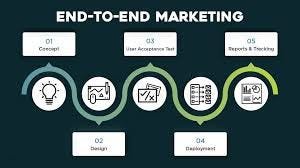
2026 is the first year where AI systems don’t just support marketing… they run it. The technology has matured to the point where autonomous workflows can handle everything from initial research to execution.
A campaign no longer starts with a meeting. It starts with an AI system scanning trends, identifying audience gaps, analyzing competitor patterns, predicting demand curves, and drafting a full campaign framework with messaging angles, keyword clusters, and creative suggestions.
Then comes execution. AI schedules posts, adjusts ad spends in real time, updates landing pages based on user behavior, rewrites email subject lines based on engagement signals, and even personalizes user journeys dynamically.
This is not marketing automation.
This is marketing autonomy.
The human role shifts from doing the work to refining direction, supervising brand voice, approving high-level decisions, and crafting strategic narratives.
Brands that ignore this shift will find themselves competing with companies that can run 24/7 campaigns, update content libraries overnight, and execute multi-channel strategies in hours instead of weeks.
2026 isn’t just the next step in AI adoption — it’s the year manual marketing officially becomes obsolete.
Why Businesses Can’t Compete Without AI in 2026
Whether you like AI or not is irrelevant. The businesses adopting it fastest are already eating market share from those who refuse to evolve. And the gap isn’t small — it’s massive.
AI-enabled brands publish more content, rank for more keywords, test more creatives, optimize more campaigns, and understand customer behavior at a granular level. Meanwhile, traditional teams rely on slow approvals, gut feeling, and outdated workflows.
The speed gap alone is enough to crush older systems. A competitor using AI can create campaign variations in minutes, not days. They can produce personalized email sequences for thousands of customer segments simultaneously. They can adjust every piece of messaging in real time based on behavior, engagement, and prediction models.
Then there’s the cost gap. A business using AI spends dramatically less on routine marketing tasks and reinvests more into growth. Traditional teams simply cannot match this, even with more budget.
And finally, the performance gap. AI learns from millions of data points faster than any marketer ever could. It understands what works, what doesn’t, and why — and it adjusts instantly.
By 2026, competing without AI isn’t just inefficient. It’s self-sabotage.
How Small and Medium Businesses Can Use AI Like a Full In-House Team
The biggest winners of 2026 aren’t large enterprises. It’s the smaller and mid-sized businesses that finally have the power to compete at enterprise scale without the enterprise budget.
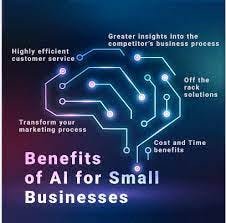
AI gives smaller companies abilities they never had before. They can create a full content pipeline without hiring writers, run ad optimization without a dedicated analyst, manage customer journeys without a CRM specialist, and conduct detailed keyword analysis without an SEO team.
But here’s the catch: AI only works when the systems are built properly. Most businesses try AI tools randomly — a content generator here, an email tool there — and then complain that AI doesn’t work for them. The problem isn’t the AI. The problem is the lack of integration.
A real AI-driven system needs structured workflows, clear prompts, data pipelines, automation triggers, quality control, and human strategic direction. This is why so many SMBs are turning to agencies like Techietet — because they need someone who knows how to build these systems the right way instead of wasting time on scattered tools.
When done right, AI becomes the equivalent of a six-person marketing team working 24 hours a day without ever slowing down. It handles the execution while the business owner focuses on operations, sales, and product development.
This is the single biggest competitive advantage available in 2026.
Why Choosing the Right Digital Partner Matters More Than Ever
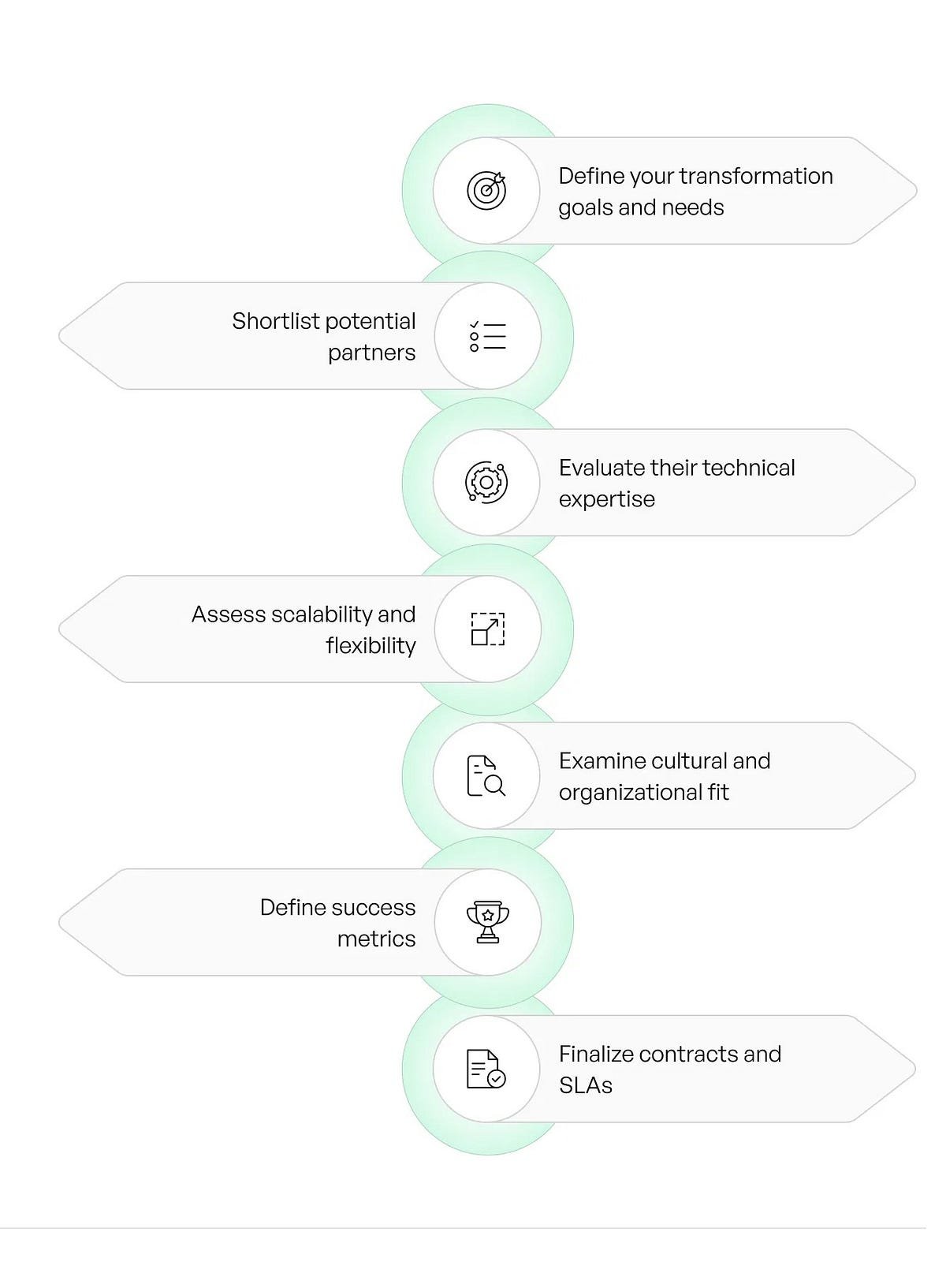
Here’s the uncomfortable truth: most agencies are now pretending they understand AI. They don’t. They sell the same outdated packages — social media posts, basic SEO, cookie-cutter content — and throw around AI buzzwords to look modern. But they aren’t actually building AI-driven marketing systems, and businesses partnering with them will fall behind.
The right partner in 2026 needs to understand both worlds:
the strategic creativity of digital marketing
and the technical intelligence of AI automation.
This is where Techietet separates itself. Unlike the conventional agencies stuck in 2018 workflows, Techietet builds campaigns using AI engines, automated pipelines, custom AI agents, and behavior-based personalization models. The agency doesn’t just “use tools.” It engineers processes that make businesses faster, smarter, and harder to compete with.
That’s why so many clients refer to Techietet as the best digital marketing company — not because of branding, but because results speak louder than slogans.
If a business wants to survive 2026 and beyond, choosing a partner who understands AI isn’t optional. It’s the new baseline.
2026 Rewards Boldness, Speed, and Smart Adoption
Marketing in 2026 isn’t about creativity alone. It’s about creativity multiplied by intelligence, consistency boosted by automation, and strategy powered by data.
The brands that use AI boldly will dominate.
The brands that adopt slowly will be left behind.
And the brands that work with the right experts will scale faster than they ever imagined.
AI is not replacing marketers in 2026.
It’s replacing slow marketers, outdated workflows, and inefficient systems.
If you want your brand to grow this year, you need two things:
a willingness to move fast and the right partner to build the systems that power that growth.
That’s where Techietet becomes the edge — the agency built for the new age of marketing, engineered with AI at the core, and focused on helping businesses win in the most competitive digital environment we’ve ever seen.