
The debate between Flutter and React Native refuses to die-and for good reason. In 2026, businesses expect apps to load instantly, behave intelligently, scale globally, and ship faster than ever. Choosing the right framework isn’t a developer preference anymore; it’s a strategic business decision. Whether you’re a startup planning your MVP or an enterprise evaluating modernization options with a trusted mobile app development company, the framework matters.
Techietet has worked across both stacks for years, and we’ve seen firsthand how the landscape has changed. Here’s a blunt, practical breakdown of what you really need to know in 2026.
1. Performance Benchmark: Flutter’s Speed vs React Native’s Flexibility
Performance is still the number one deciding factor for most businesses. Flutter continues to deliver smoother animations, faster rendering, and more consistent performance because it uses its own engine instead of relying on native components.
React Native improved significantly in 2026 with the Fabric architecture, but it still depends on the JavaScript bridge, which creates overhead during heavy interactions.
Who benefits?
- Flutter: fintech, gaming, design-heavy apps.
- React Native: content apps, SaaS dashboards, lighter MVPs.
If your business demands buttery smooth visuals, Flutter wins. If you prioritize flexibility and native behavior, React Native holds strong.
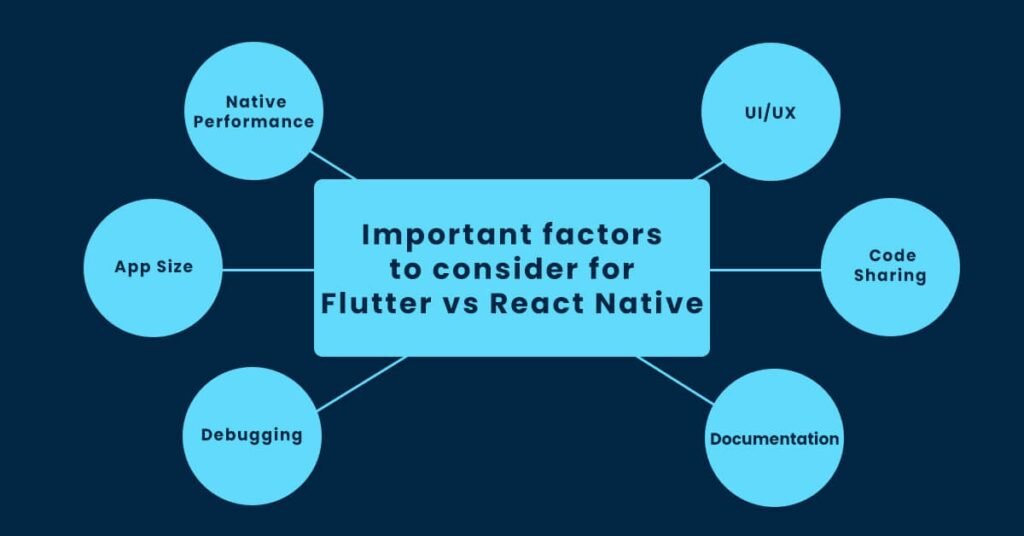
2. UI/UX Capabilities in 2026: The Design Gap Widens
Design expectations jumped in 2026 due to AI-enhanced user journeys and adaptive UI trends. Flutter delivers pixel-perfect UI across all devices, something even the best app development services struggle to replicate with React Native.
React Native improved its Material You and iOS Human Interface support, but the output still depends heavily on device-level components, making UI consistency a challenge at scale.
If brand experience is a priority → Flutter dominates.

3. Development Speed & Cost Efficiency
Speed still matters. React Native has historically been faster for MVPs, but Flutter overtook it in complex, multi-feature projects due to its unified widget approach.
Cost differences in 2026:
- Flutter: Faster scaling → lower long-term cost.
- React Native: Faster MVP → lower upfront cost.
For businesses evaluating budgets with a top mobile app development company, the right choice depends on the product roadmap, not just launch speed.

4. Stability, Updates & Long-Term Reliability
Here’s the unfiltered truth: Flutter became more stable than React Native in 2026.
Google rolled out better memory optimization, AI-ready components, and extended support for enterprise integrations. Meanwhile, React Native is polished but still experiences fragmentation due to OS-level dependencies.
If you’re building an app expected to last 5+ years, Flutter is generally the safer investment.
5. Ecosystem & Plugin Support: Both Strong, but One Is Cleaner
React Native has a massive ecosystem, but plugin quality varies wildly. Businesses often end up spending money rewriting poorly maintained third-party libraries.
Flutter’s ecosystem is smaller but far more consistent. Google-backed libraries are stable, well-documented, and production-ready.
Winner in reliability → Flutter
Winner in community size → React Native
6. Talent Availability in 2026
Hiring developers is easier than ever for both frameworks, but React Native still has a slightly larger talent pool.
However, Flutter developers in 2026 tend to be more specialized and design-oriented, which matters for feature-rich products.
Businesses working with Techietet often choose Flutter for long-term teams and React Native for fast MVP teams.
7. Business Use Cases: What the Industry Actually Prefers
Let’s cut through the hype:
Flutter is preferred for:
- Fintech apps requiring top-tier performance
- Consumer apps with heavy UI/animation
- Startups wanting scalability from day one
- AI-integrated interfaces
React Native is chosen for:
- MVPs targeting faster validation
- Apps needing deep native integrations
- SaaS dashboards
- Teams with existing JavaScript expertise
A top-performing mobile app development company will match the framework to the project-not the other way around.
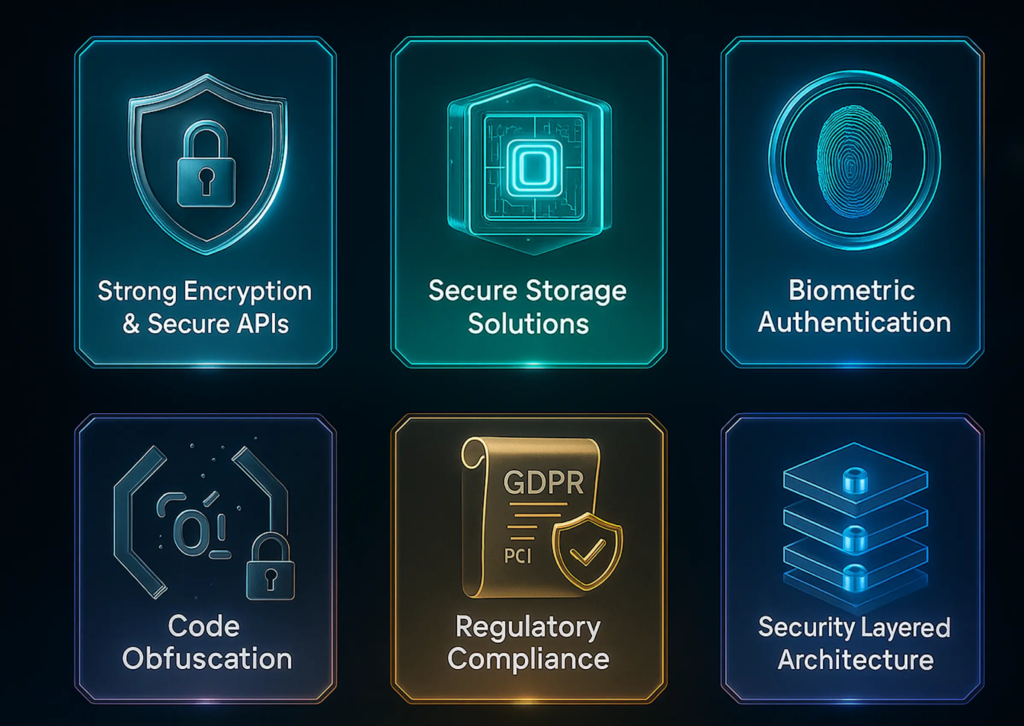
8. Final Verdict: Which Should You Choose in 2026?
If your app needs:
- high design precision,
- flawless animations,
- long-term scalability,
- or AI-powered interfaces…
→ Choose Flutter.
If your app needs:
- rapid MVP development,
- wide talent availability,
- flexibility with web technologies…
→ Choose React Native.
For most mid-sized businesses and fast-growing startups, Flutter has become the more future-proof framework in 2026. But React Native remains unbeatable for JavaScript-driven teams and hybrid product ecosystems.
Techietet evaluates client needs across budget, timeline, scalability, and user experience before recommending either framework-because the right choice depends entirely on your business model.
Conclusion
The Flutter vs React Native debate isn’t about popularity-it’s about alignment with your business goals. Both are powerful, mature frameworks in 2026, but the one you choose will shape your product’s speed, stability, cost, and long-term success.
If your team needs guidance, Techietet offers strategic consultation and full-cycle app development services designed to help businesses choose wisely and build confidently in a highly competitive digital landscape.