
Introduction: The Cost Pressure Is Real
Let’s be honest. Small businesses are under pressure from every direction — rising ad costs, higher employee salaries, increasing competition, and shrinking profit margins. Many owners work harder every year but don’t see proportional growth in revenue.
The businesses that will win in 2026 are not necessarily the biggest. They’re the smartest. And smart businesses are using AI tools for business growth to streamline operations, increase efficiency, and unlock revenue opportunities that were previously invisible.
This isn’t about replacing humans with machines. It’s about using technology strategically to reduce business costs with AI while building scalable systems that generate predictable revenue.
If implemented correctly, AI becomes a multiplier — not an expense.
Why AI Is No Longer Optional for Small Businesses
The Hidden Cost Problem Most Owners Ignore
Most business owners focus on visible expenses — rent, payroll, inventory. But the real cost leaks are usually invisible:
- Wasted ad spend targeting the wrong audience
- Slow follow-ups that kill hot leads
- Manual data entry errors
- Poor customer retention
- Inefficient sales pipelines
These inefficiencies compound over time.
AI doesn’t just automate tasks. It removes friction from revenue generation.
Where AI Creates Immediate ROI
The highest returns usually come from:
- Marketing automation
- Sales pipeline optimization
- Customer service automation
- Data-driven decision making
This is where strategic AI marketing automation starts to change the game.
AI Marketing Automation: The Revenue Multiplier
Most businesses misunderstand automation. They think it’s about sending bulk emails or scheduling posts.
That’s basic. Real AI marketing automation is intelligent. It adapts based on behavior, predicts outcomes, and continuously optimizes campaigns.
AI Lead Generation That Filters Serious Buyers
Not all leads are equal.
With AI lead generation, systems can:
- Score prospects based on behavior
- Track engagement patterns
- Segment audiences automatically
- Identify purchase intent signals
Instead of wasting time chasing cold prospects, your sales team focuses on high-probability buyers.
That alone increases revenue without increasing marketing spend.

AI Ad Optimization to Stop Burning Budget
Many small businesses run ads blindly. They set campaigns and hope for results.
With AI ad optimization, platforms analyze performance in real time. They adjust bids, refine targeting, and eliminate underperforming segments automatically.
This helps you:
- Cut wasted budget
- Improve cost-per-lead
- Increase return on ad spend
If you want to reduce business costs with AI, this is one of the fastest wins.

AI Content Systems That Convert Around the Clock
Modern businesses can no longer rely on manual content production alone. It is expensive, inconsistent, and impossible to scale efficiently. AI content systems operating 24/7 solve this problem by turning content into a performance engine instead of a one-time asset. With AI marketing automation, brands can personalize email campaigns based on user behavior, generate audience-specific landing pages that match intent, create dynamic ad creatives tailored to different segments, and automatically test and optimize subject lines for higher open rates. The result is not just more content, but smarter content that continuously improves conversions through data-driven learning.
AI Chatbots That Capture and Qualify Leads Instantly
Customer engagement speed is directly tied to revenue. Slow replies reduce trust and push potential buyers toward competitors. AI chatbots address this gap by acting as an intelligent first interaction layer. Instead of simply answering questions, advanced chatbots qualify visitors, collect contact details, schedule appointments, and route high-intent prospects directly to sales teams. This ensures that every serious inquiry is captured and nurtured without increasing staffing costs. Businesses gain both operational efficiency and consistent lead generation from a single automated system.
AI Customer Support Automation That Reduces Costs and Improves Satisfaction
Beyond lead capture, AI customer support automation strengthens overall service performance. Automated systems can categorize incoming support tickets, provide instant responses to frequently asked questions, escalate complex issues to human agents when necessary, and identify recurring service problems through data analysis. This reduces manual workload while maintaining high service standards. Rather than replacing support teams, automation enhances their productivity by allowing them to focus on higher-value interactions.
CRM Automation and Smart Sales Pipelines
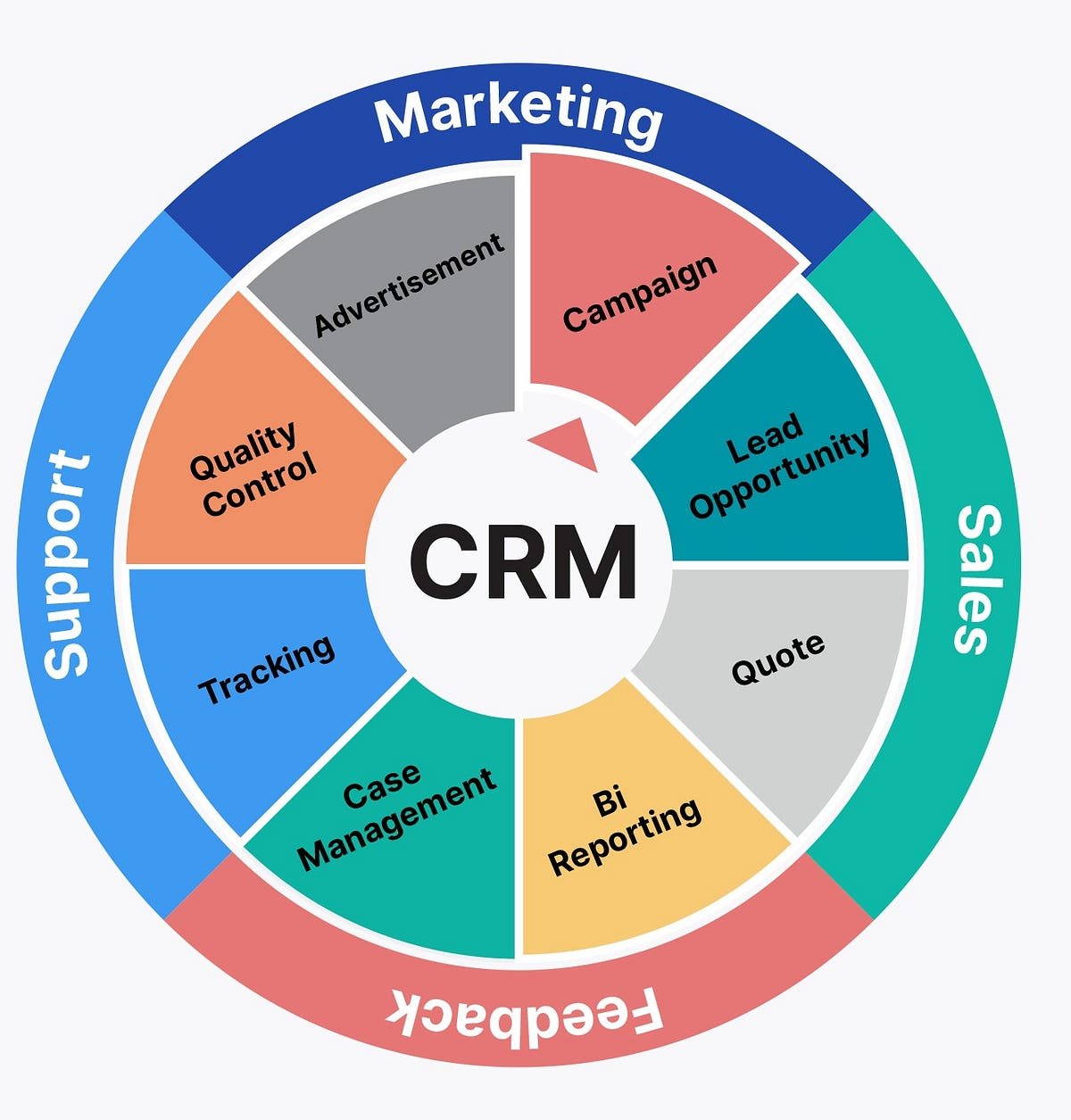
CRM automation further strengthens this ecosystem by eliminating gaps in the sales pipeline. Leads can be automatically assigned to the right representatives, follow-up sequences can be triggered based on behavior, customer journeys can be tracked in real time, and re-engagement reminders can be sent without manual intervention. When CRM automation integrates with AI marketing automation, the entire sales process becomes structured, predictable, and data-driven. Missed follow-ups are eliminated, prospects are nurtured consistently, and close rates improve due to systematic execution rather than human memory.
AI Analytics: Turning Data Into Smarter Decisions
Data without interpretation is useless.
AI analytics transforms raw numbers into insights:
- Predicts sales trends
- Identifies high-value customer segments
- Forecasts revenue patterns
- Detects churn risks
Instead of guessing, you make informed decisions.
Businesses that leverage AI analytics can confidently allocate budgets, adjust pricing strategies, and scale marketing efforts more efficiently.
Again, this is how you systematically reduce business costs with AI while increasing profitability.
Step-by-Step Plan to Implement AI Without Chaos
Jumping into tools without strategy is a mistake. Here’s a practical approach:
Step 1: Identify Cost Leaks
Audit:
- Ad performance
- Customer acquisition cost
- Conversion rates
- Support workload
Find where money is being lost.
Step 2: Start With AI Marketing Automation
Begin with marketing processes. This usually delivers the fastest ROI. Focus on lead scoring, campaign optimization, and funnel automation.
Step 3: Integrate CRM Automation
Ensure every lead is tracked, nurtured, and followed up automatically.
Step 4: Implement AI Analytics for Scaling
Once automation is stable, use predictive data to expand strategically.
This phased approach prevents overwhelm and ensures measurable results.
Common Mistakes Small Businesses Make With AI
- Buying multiple tools without integration
- Automating broken processes
- Ignoring performance tracking
- Expecting overnight miracles
Even with AI marketing automation, strategy determines success.
Technology amplifies structure. If your systems are messy, AI will amplify the mess.
Why Strategic Implementation Matters More Than Tools
Software alone won’t fix inefficiencies.
Implementation, integration, and optimization are what drive results.
This is where experienced digital partners become valuable. Techietet helps businesses align AI systems with real revenue objectives instead of chasing trends.
Rather than overwhelming clients with tools, Techietet focuses on structured integration — connecting automation, analytics, and CRM systems into one cohesive strategy.
When executed correctly, AI marketing automation becomes a growth engine instead of a complicated tech stack.
Businesses working with Techietet don’t just automate tasks — they redesign workflows for scalability.
Automate Smart, Grow Faster
In 2026, businesses that resist AI won’t just grow slower — they’ll operate at higher costs.
The opportunity is clear:
- Use AI lead generation to focus on high-quality prospects
- Leverage AI ad optimization to protect marketing budgets
- Deploy AI chatbots to improve response times
- Implement AI customer support automation to reduce workload
- Activate CRM automation to streamline sales
- Apply AI analytics for smarter decisions
Done strategically, AI becomes a cost-reduction system and a revenue accelerator.
The goal isn’t replacing people. It’s empowering them with smarter systems.
And that’s how small businesses build sustainable growth in a competitive market.
Frequently Asked Questions
1. How can small businesses start using AI with limited budgets?
Start with one high-impact area — usually marketing automation or lead management. Focus on tools that integrate well with existing systems. Avoid buying multiple platforms at once.
2. Is AI marketing automation expensive to implement?
It depends on scope. Basic automation can be affordable. The real cost comes from poor implementation. When structured correctly, AI marketing automation typically pays for itself through improved conversions and reduced manual workload.
3. Can AI replace employees in small businesses?
AI replaces repetitive tasks, not strategic thinking. Employees become more productive because they focus on decision-making and relationship building instead of manual processes.
4. How does AI help reduce marketing costs?
Through smarter targeting, automated bidding, improved lead scoring, and campaign optimization. AI eliminates waste and improves return on investment.
5. What is the first AI solution a small business should implement?
Most businesses benefit from starting with AI-powered lead management and marketing automation. These areas directly impact revenue and provide measurable results quickly.