
Mobile apps are no longer just digital tools. In 2026, they are becoming intelligent systems that predict behavior, adapt in real time, and automate decisions. Businesses that still treat apps as static products are already falling behind.
AI-powered mobile app development is not a “future idea” anymore. It’s a competitive requirement. Companies that understand how these trends are evolving — and how to develop mobile application strategies around them — will own user attention, data, and loyalty over the next decade.
This article breaks down the most important AI-powered mobile app development trends for 2026, focusing on real-world business impact, cost realities, and execution — not hype.
Why 2026 Is a Critical Year for AI Mobile Apps
The shift happening now is structural. AI is moving from add-on features to the core architecture of mobile apps. Instead of asking “Can we add AI?”, businesses are asking “How do we develop mobile application systems that learn and adapt?”
This change is being driven by:
- Rising user expectations for personalization
- Faster AI model deployment on mobile devices
- Cost pressure to automate operations
- Demand for smarter, data-driven decisions inside apps
Forward-looking companies like techietet are already building AI-first mobile strategies instead of retrofitting intelligence later.
From Traditional Apps to AI-Native Applications
Traditional apps work on fixed logic: user clicks → system responds.
AI-powered apps work on patterns: user behaves → system predicts → system adapts.
In 2026, businesses that develop mobile application solutions without AI-native thinking will struggle with:
- Low retention
- Poor engagement
- High operational costs
AI-native apps continuously evolve based on user behavior, context, and data — making them more valuable over time instead of obsolete.
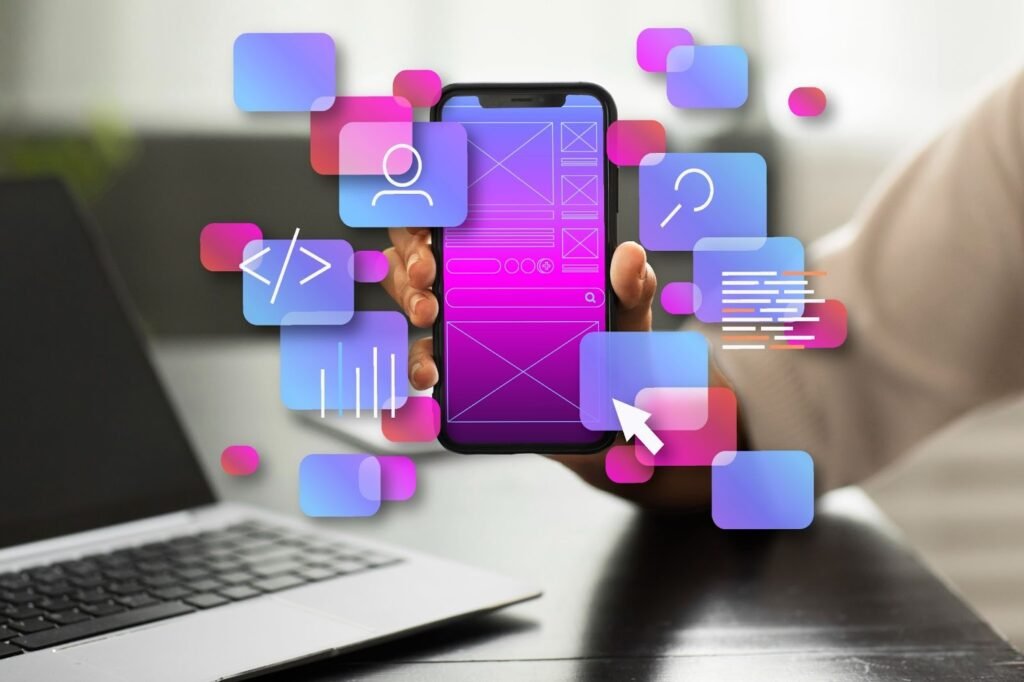
Trend 1: On-Device AI for Speed, Privacy, and Cost Control
One of the biggest shifts in AI-powered mobile app development is on-device AI.
Instead of sending data to the cloud for processing, apps now run AI models directly on the user’s device. This brings:
- Faster response times
- Improved data privacy
- Lower cloud infrastructure costs
Many app developers in India are adopting this approach to balance performance with affordability, especially for consumer-facing apps where speed matters.
For businesses planning to develop mobile application platforms at scale, on-device AI directly impacts long-term app development charges by reducing server dependency.
Trend 2: Generative AI Inside Mobile Apps (Beyond Chatbots)
In 2026, generative AI is no longer limited to chat interfaces.
Mobile apps are using GenAI to:
- Generate personalized content
- Create adaptive UI layouts
- Power intelligent recommendations
- Assist users inside workflows
This trend is especially strong among ecommerce app development companies, where AI-generated product descriptions, offers, and suggestions directly influence conversions.
To develop mobile application experiences that feel modern, businesses must rethink how features are designed — not just what features are added.
Trend 3: Hyper-Personalization Using Behavioral AI
Generic personalization is dead.
AI-powered apps in 2026 analyze:
- Usage patterns
- Micro-interactions
- Time, location, and intent signals
This allows apps to change behavior dynamically — not just recommend content.
The best app development companies now treat personalization as an AI layer, not a UI feature. Businesses that develop mobile application systems this way see higher engagement, longer session times, and stronger user loyalty.
Trend 4: AI Transforming the App Development Process Itself
AI isn’t just changing apps — it’s changing how apps are built.
In 2026, top app development agencies are using AI for:
- Automated testing
- Predictive bug detection
- Code optimization
- UI generation
This reduces delivery timelines and reshapes the traditional app development service model. AI-assisted workflows also integrate seamlessly into website and app development projects, making cross-platform delivery faster and more consistent.
If you want to develop mobile application products efficiently, ignoring AI in development pipelines is a costly mistake.
Trend 5: AI-Powered Security and Fraud Detection
Security is no longer reactive. AI-powered apps now detect threats before damage occurs.
AI systems analyze:
- Unusual behavior patterns
- Transaction anomalies
- Access risks in real time
Many businesses working with a mobile app development company india are prioritizing AI security layers from day one, especially in fintech, healthcare, and ecommerce apps.
When companies develop mobile application platforms with AI-driven security, trust becomes a built-in feature — not an afterthought.
Trend 6: Voice, Vision, and Multimodal Interfaces
Text-first interfaces are slowly fading.
In 2026, AI-powered mobile apps increasingly support:
- Voice commands
- Image recognition
- Gesture-based interactions
Several mobile app development companies in chennai are already building multimodal apps for logistics, healthcare, and retail use cases.
To develop mobile application experiences that feel intuitive, businesses must design for how users naturally interact — not how systems traditionally respond.
How AI Impacts Mobile App Development Charges in 2026
AI changes cost structures — but not always upward.
Costs increase when:
- Complex custom AI models are required
- Real-time data pipelines are needed
Costs decrease when:
- Automation reduces manual workflows
- AI-driven testing shortens development cycles
Companies that plan early to develop mobile application systems with AI avoid expensive redesigns later. Firms like techietet help businesses balance AI ambition with practical cost control.
How to Choose the Right AI App Development Partner
Not all vendors understand AI beyond buzzwords.
When evaluating best app development companies, look for:
- Proven AI implementation experience
- Clear cost breakdowns
- Real deployment examples
- Understanding of long-term scalability
Avoid agencies that sell AI features without explaining how they integrate into your core system. A strong app development service partner focuses on execution, not hype.
What Comes After 2026?
The next phase includes:
- Autonomous mobile apps
- AI agents handling tasks independently
- Predictive user journeys
Businesses that develop mobile application platforms today with adaptability in mind will be ready for what’s next. This long-term mindset is how companies like techietet approach AI-powered ecosystems — not short-term trends.
Conclusion: Turning AI Trends into Real Advantage
AI-powered mobile app development in 2026 is about intelligence, efficiency, and adaptability. Tools don’t create advantage — strategy does.
If you want to develop mobile application solutions that survive rapid change, AI must be foundational, not optional. The companies that act now will define the next generation of mobile experiences.
FAQs
1. How does AI change the way businesses develop mobile application solutions?
AI shifts apps from static logic to adaptive systems that learn from user behavior and data.
2. Are AI-powered mobile apps more expensive to build in 2026?
Not always. While advanced AI features can increase cost, automation often reduces overall development and maintenance expenses.
3. Which industries benefit most from AI mobile apps?
Ecommerce, healthcare, fintech, logistics, fitness, and education see the highest ROI from AI-powered mobile apps.
4. Why are app developers in India competitive in AI app development?
They combine strong technical expertise with cost-efficient execution and global delivery experience.
5. How do I choose the right AI app development partner?
Look for real AI deployment experience, transparent pricing, and a long-term scalability mindset.